HVAC Services, Done Right
Furnace and AC repair and installation, indoor air quality, and commercial HVAC across Livingston and Oakland counties. Licensed since 1995, and a Trane dealer.
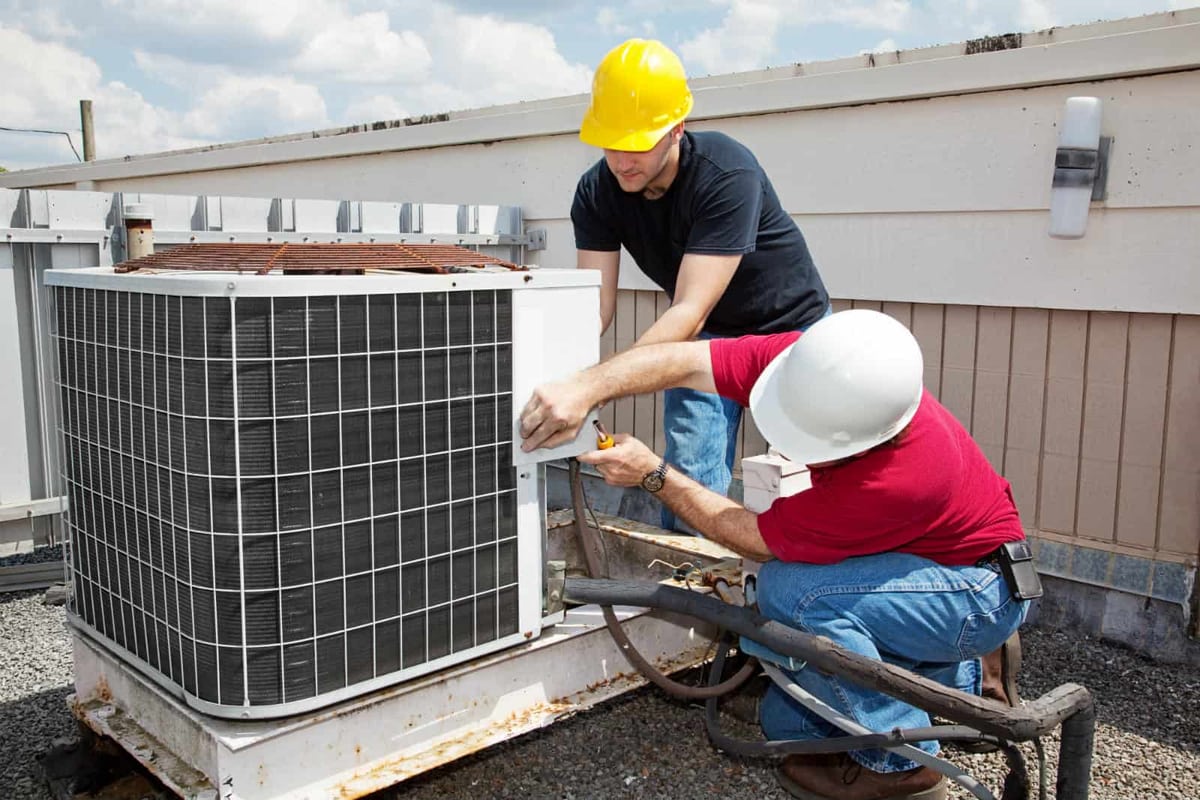
Oak Grove Heating and Cooling is a family-owned, licensed HVAC contractor in Howell, Michigan handling furnace repair and installation, AC repair and installation, indoor air quality and commercial HVAC across Livingston and Oakland counties. Licensed since 1995, and a Trane dealer.
Most people find us the way you probably did: something quit and the house is too cold or too hot. We fix that fast. But the OG is not a one-trick shop. Owner Tony built the business on demanding commercial work, the rooftop units and radiant systems a building cannot run without, and that same standard goes into every furnace, air conditioner and air-quality job we do for homeowners.
Whatever the system, the promise is the same. An honest diagnosis, a price you approve before we start, and work that holds up. Pick a service below to see the details, or just call and tell us what is going on.
Everything the OG handles
Furnace Repair
No heat in a cold snap? We diagnose and fix gas and oil furnaces fast, and tell you straight whether it is a repair or a replacement.
Learn moreFurnace Installation
High-efficiency Trane furnace installs, sized right for your Michigan home, gas or oil, with honest pricing.
Learn moreAC Repair
Fast, honest air conditioning repair that cools every room again, without the upsell. Ready before July hits.
Learn moreAC Installation
Right-sized central and ductless AC installs that cool every room evenly and quietly, built to last.
Learn moreIndoor Air Quality
Testing, filtration, humidity control and air cleaners to clear out dust, allergens and dry-winter misery.
Learn moreCommercial HVAC
Repair, maintenance and installation that keep your building comfortable and your doors open. The OG's home turf.
Learn moreBrands the OG Installs & Services
Factory-backed equipment from names you know, plus service on virtually every make and model.
- TraneAuthorized dealer
- AmanaHeating & cooling
- BoschHeating & cooling
- MitsubishiDuctless systems
- Bradford WhiteWater heaters
- GeneracGenerator dealer
- CaptiveAireKitchen ventilation dealer
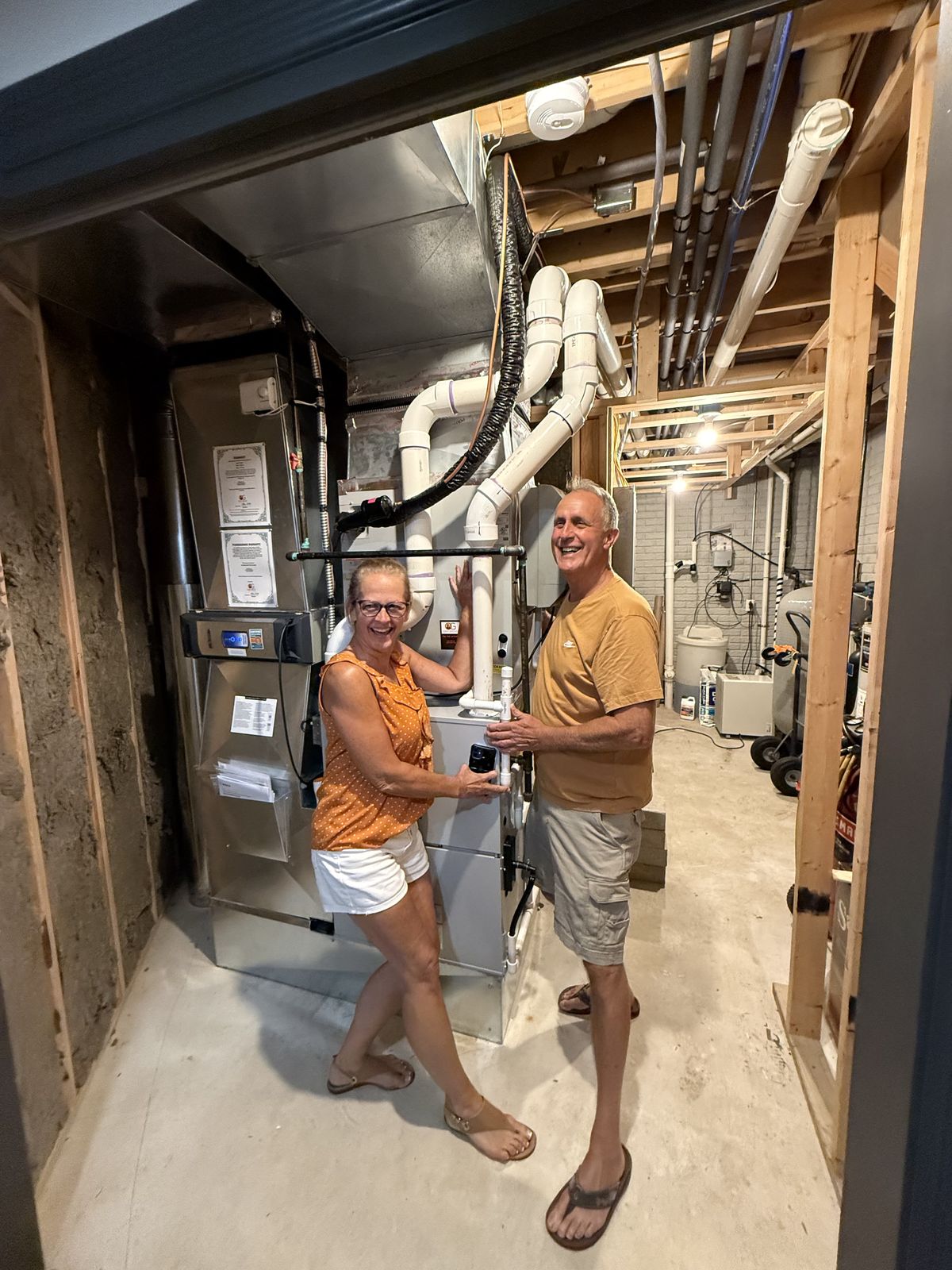
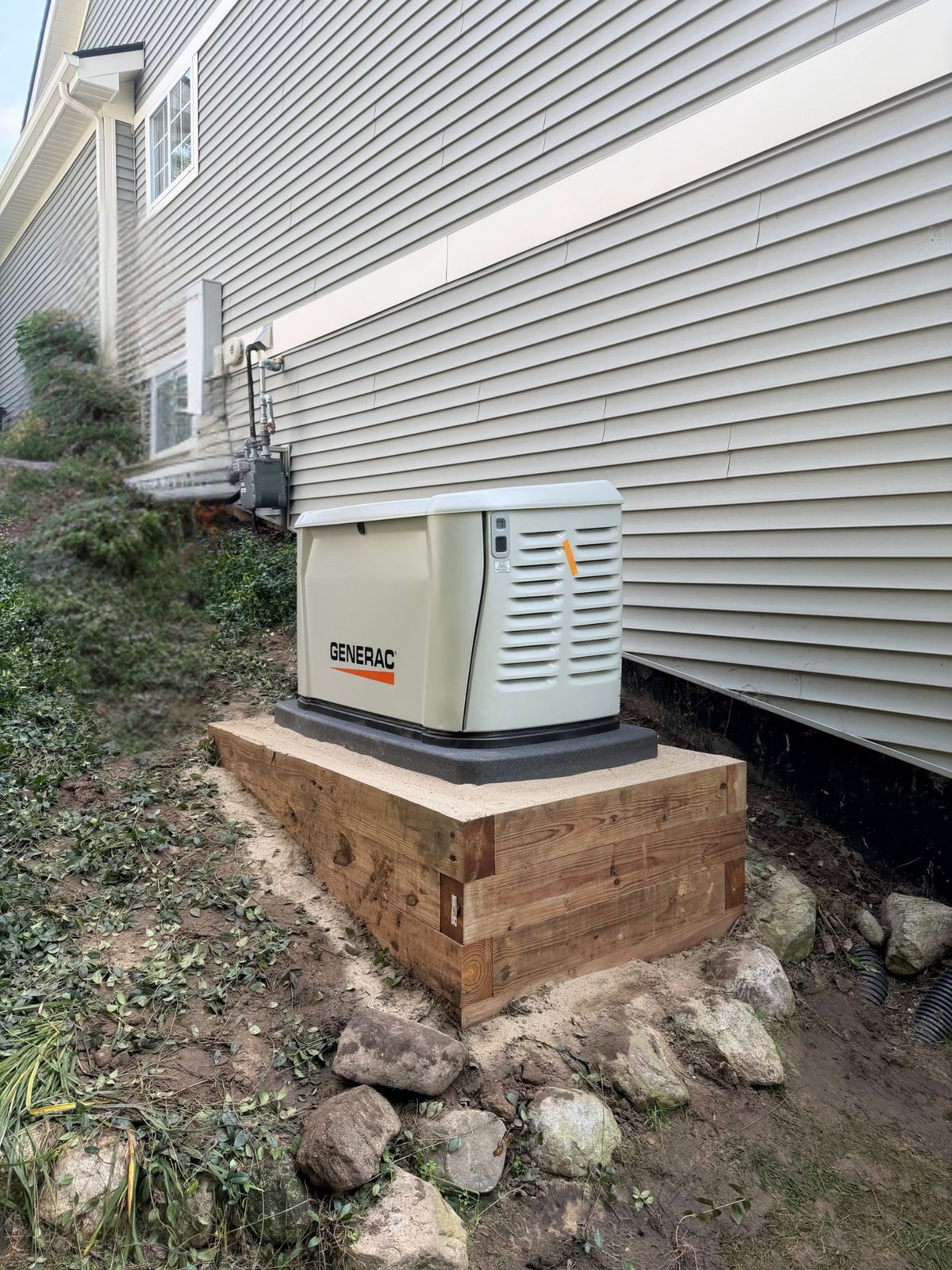
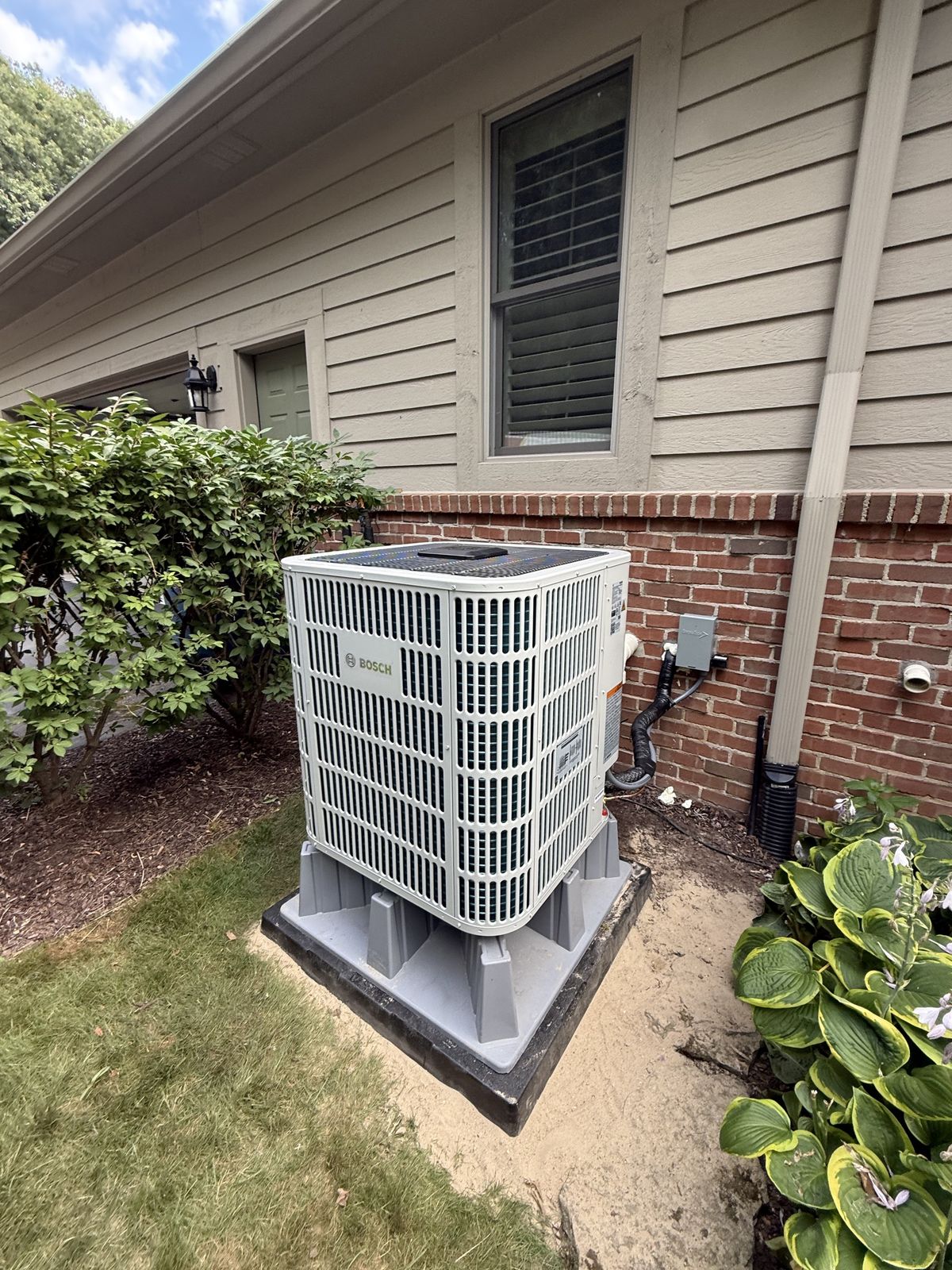
How working with the OG goes
- You call, a real person answers. No call center, no phone tree. You reach a local team that knows the equipment and the area. Tell us what is happening and we schedule a visit, or for an emergency we get a technician moving right away.
- We diagnose it straight. The technician finds the actual cause instead of swapping parts on a guess. You get told plainly what is wrong, what your options are, and whether it is honestly a repair or a replacement.
- You approve the price first. Nothing gets done until you see the number and say go. No surprise line items at the end, no invented problems, no pressure to buy more than your home needs.
- We do the work right and stand behind it. The job is done to code and cleaned up when we leave, and we back the workmanship. If something is not right, you call and we come back. That is how a business lasts thirty years in one town.
Not sure which service you need?
You do not have to diagnose it yourself. Describe the symptom, no heat, warm air from the vents, a strange smell, higher bills, a room that never gets comfortable, and we will tell you what it points to. If a repair will get you sorted, that is what we do. If a system is genuinely past its life, we show you why before you spend a dollar on a replacement.
Planning ahead instead of reacting to a breakdown? That is the smart move. Ask about a fall furnace check or a spring AC check so a marginal part gets caught on your schedule rather than on the coldest or hottest day of the year.
HVAC services, answered
Do you handle both repairs and new installations?
Yes. Oak Grove repairs and installs furnaces and air conditioners, handles indoor air quality and commercial HVAC, and services gas and oil systems. One licensed, family-owned crew for heating and cooling across Livingston and Oakland counties.
Do you handle emergency HVAC calls?
Yes. Heat that fails in a cold snap or cooling that quits in a heat wave is an emergency, and we treat it like one. Call (517) 618-7100 during our hours (Mon–Fri 8am–5pm) and urgent calls get priority.
What brands do you work on?
We service and repair virtually all makes and models, including older systems some shops turn down. We install Trane (we are an authorized dealer), Amana, Bosch and Mitsubishi heating and cooling equipment, Bradford White water heaters, and Generac generators, and we are a CaptiveAire dealer for commercial kitchen ventilation. We will always tell you honestly what fits your home and budget.
How do I know if I should repair or replace?
It comes down to the age of the system, the cost of the repair, efficiency and safety. We lay out both numbers honestly so you decide with the facts. Our repair vs replace guide walks through exactly how we think about it.