When your heating system starts acting up—or when winter approaches and you want peace of mind—it’s natural to wonder whether a simple furnace tune-up will solve the problem or if it’s time for a full replacement. While both options address heating performance, they serve very different purposes. Understanding the difference can help you make a financially smart and safety-conscious decision for your home.
What a Furnace Tune-Up Really Does
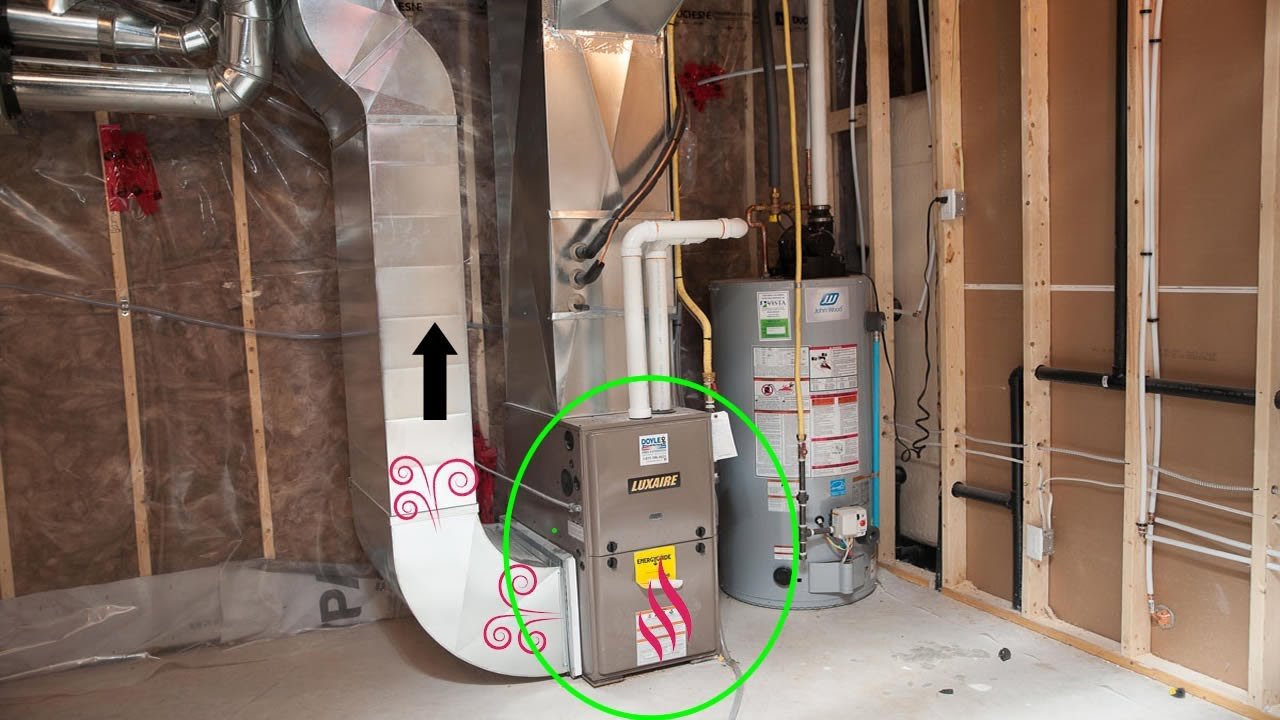
A furnace tune-up is preventative maintenance. It’s designed to keep your current system running efficiently, safely, and reliably—not to fix a severely failing unit. Much like regular maintenance on a vehicle, a tune-up focuses on cleaning, inspecting, and adjusting components before they cause bigger problems.
During a professional tune-up, a technician will inspect and clean the burners, check the heat exchanger for cracks, test safety controls, examine electrical connections, measure airflow, calibrate the thermostat, and ensure there are no carbon monoxide risks. These steps help your system operate at peak efficiency and catch small issues early.
For furnaces that are under 10–12 years old and not experiencing major issues, annual maintenance can significantly extend lifespan and reduce unexpected breakdowns. In many cases, homeowners who schedule yearly tune-ups avoid costly emergency repairs altogether.
When a Tune-Up Is Enough
If your furnace is heating evenly, your energy bills haven’t spiked dramatically, and you’re not calling for frequent repairs, a tune-up is likely all you need. Preventative maintenance works best when the system is still fundamentally sound.
A tune-up is especially beneficial if:
- Your furnace is under 15 years old
- You haven’t had recurring repair issues
- Airflow and temperature are consistent
- You want to prevent mid-winter breakdowns
- You’re preparing for the heating season
In these situations, replacing the entire system would likely be premature.
What a Full Furnace Replacement Involves
A furnace replacement is exactly what it sounds like: removing the existing system and installing a brand-new one. This is a much larger investment, but sometimes it’s the more cost-effective long-term solution.
Modern furnaces are significantly more energy-efficient than older units. Many current models from manufacturers like Carrier and Trane offer AFUE ratings exceeding 95%, meaning 95% of the fuel consumed is converted into usable heat. Older systems, particularly those installed 20 years ago, may operate closer to 70–80% efficiency. That gap can translate into noticeable energy savings over time.
Replacement isn’t just about efficiency—it’s also about reliability and safety. A cracked heat exchanger, excessive rust, or ongoing mechanical failures can make repair costs pile up quickly.
Signs It May Be Time to Replace
While repairs can keep a furnace running for years, there comes a point when continued maintenance becomes more expensive than replacement. Warning signs include frequent breakdowns, rising utility bills despite maintenance, uneven heating in multiple rooms, loud banging or rattling noises, and a furnace that is 15–20 years old or older.
A common guideline homeowners use is the “repair cost rule.” If a single repair is expensive and your furnace is already nearing the end of its lifespan, replacement often makes better financial sense. For example, investing heavily in repairs on a 20-year-old unit may only buy a few more seasons of use.
Cost Comparison: Tune-Up vs. Replacement
| Service | Typical Cost Range | Purpose |
| Furnace Tune-Up | $80–$200 | Preventative maintenance |
| Furnace Replacement | $3,000–$7,500+ | Complete system upgrade |
While a tune-up is a small upfront cost, replacement is a long-term investment that can reduce repair costs and improve efficiency for years to come.
Efficiency and Long-Term Savings
One of the biggest advantages of replacement is improved energy efficiency. If your current furnace wastes 20–30% of the fuel it consumes, upgrading to a high-efficiency model can noticeably reduce heating costs each winter. Over several years, the cumulative savings can be substantial.
In addition to lower energy bills, new systems often operate more quietly, distribute heat more evenly, and integrate better with modern thermostats and smart home systems.
The Bottom Line
A furnace tune-up is about maintenance and prevention. It keeps a healthy system running smoothly and extends its lifespan. A full replacement, on the other hand, is about upgrading performance, efficiency, and reliability when your existing system can no longer keep up.
If your furnace is relatively young and functioning well, annual maintenance is usually the smartest and most affordable choice. But if it’s aging, inefficient, or requiring frequent repairs, replacing it may provide better long-term value and peace of mind.
When in doubt, having a qualified HVAC professional inspect your system can provide clarity. The right decision ultimately depends on your furnace’s age, condition, repair history, and long-term comfort goals.