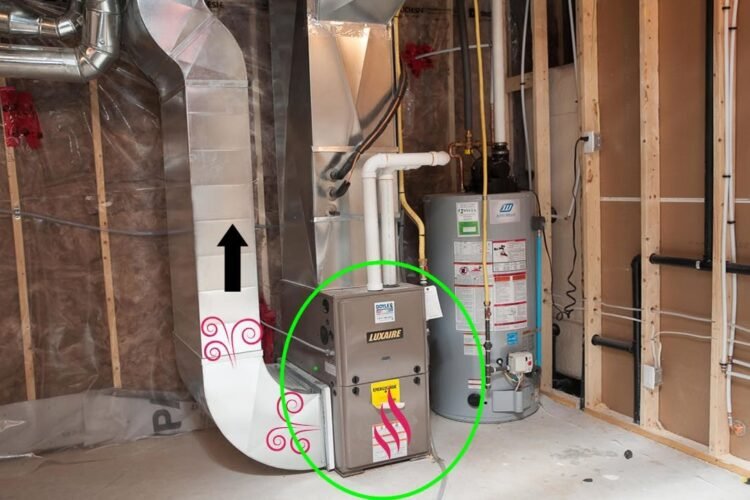
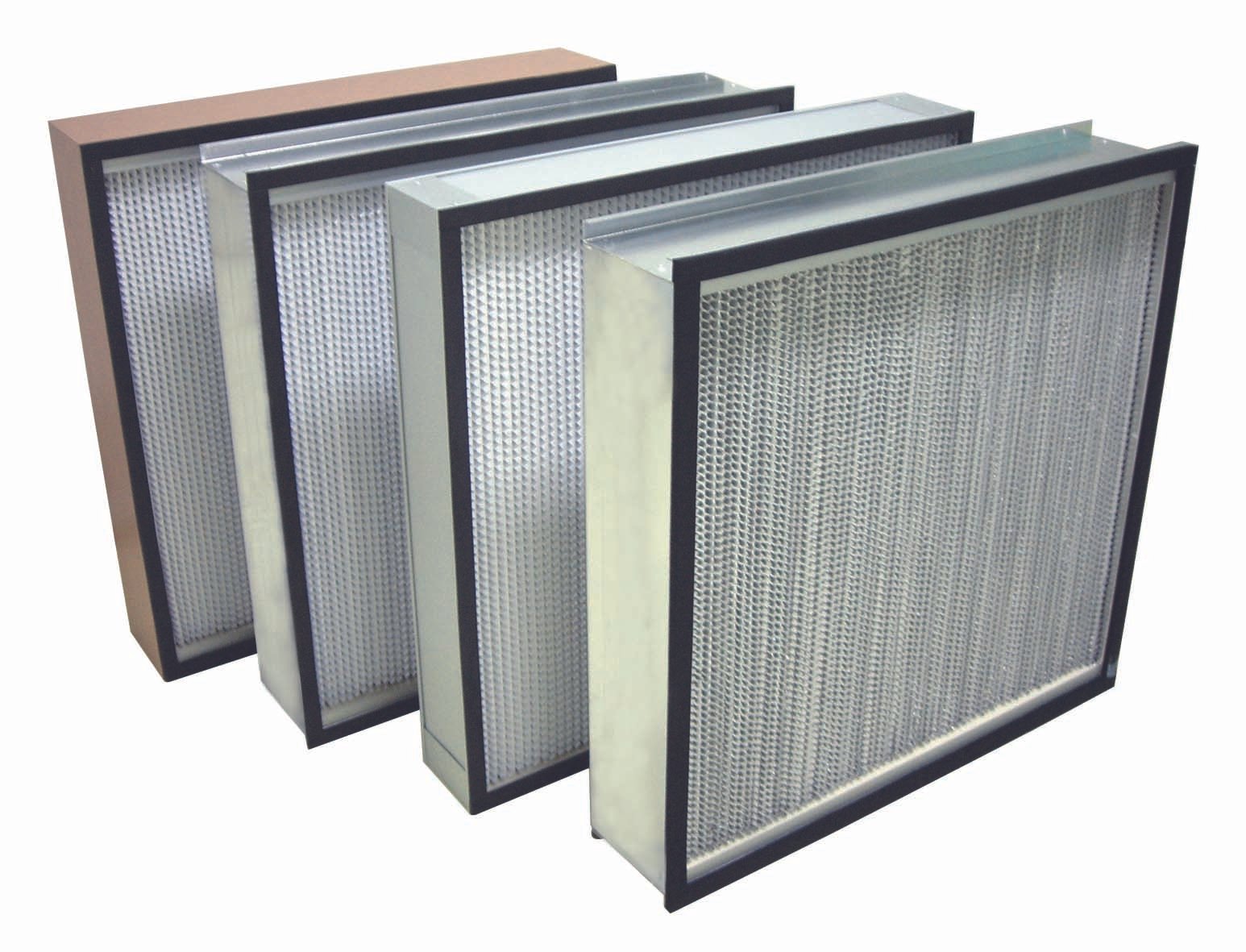
Keeping your home comfortable and healthy starts with clean air. One of the easiest ways to do this is by regularly changing your HVAC air filters. Air filters trap dust, dirt, and allergens, keeping the air you breathe clean and your system running efficiently. In this guide, we’ll explain everything you need to know about air filters—how often to change them, why it matters, and tips for choosing the right one.
Why Air Filters Are Important
Air filters do more than just trap dust. They help in several ways:
- Clean Air: They remove dust, pollen, pet hair, and other allergens.
- Energy Efficiency: A clogged filter makes your system work harder, increasing energy bills.
- System Health: Clean filters prevent wear and tear on your furnace or AC.
- Comfort: Proper airflow keeps your home evenly heated or cooled.
How Often Should You Change Your Air Filter?
The answer depends on several factors. Here are general guidelines:
- Every 1–3 Months: Most standard filters should be replaced every 30–90 days.
- Pets in the Home: Homes with cats or dogs may need new filters every month.
- Allergy Season: If anyone in your home has allergies, consider changing your filter more often.
- High Usage: If your HVAC system runs constantly, check the filter monthly.
- Type of Filter: High-efficiency filters may last longer, but always follow the manufacturer’s instructions.
Tip: Mark your calendar to check your air filter regularly. It’s an easy way to avoid system problems.
Signs Your Air Filter Needs Replacing
Even if it’s not time yet, replace your filter if you notice:
- Visible dust buildup
- Reduced airflow from vents
- Strange smells from your HVAC system
- Higher energy bills
Choosing the Right Air Filter
- MERV Rating: The Minimum Efficiency Reporting Value (MERV) measures filter effectiveness. For most homes, MERV 8–13 is ideal.
- Size: Always check the filter size printed on the old filter.
- Material: Fiberglass is cheaper but less effective; pleated filters trap more dust and allergens.
FAQs About Air Filters
Q1: Can I wash my air filter?
Most standard filters are disposable. Washable filters exist, but you must follow the manufacturer’s instructions carefully.
Q2: Will a dirty filter damage my HVAC system?
Yes. Dirty filters restrict airflow, cause strain on the system, and can lead to costly repairs.
Q3: Can I go longer than 3 months without changing my filter?
It’s not recommended. Even if your filter looks okay, dust and allergens can accumulate and affect your air quality.
Q4: How do I know which MERV rating to choose?
For homes without severe allergy concerns, MERV 8–13 is usually sufficient. For allergy sufferers or homes with pets, higher MERV ratings are better.
Final Tips
- Set a reminder every month to check your filter.
- Keep a supply of filters on hand to avoid running low.
- Consider professional HVAC maintenance yearly to keep your system in top shape.
Conclusion
Changing your air filter regularly is simple but crucial. It keeps your air clean, reduces energy costs, and extends the life of your HVAC system. By following these tips, you can enjoy a comfortable and healthy home all year long.
Oak Grove Heating & Cooling is here to help. If you need assistance with choosing the right filter or installing it, contact our team for fast, professional service.